
In most cases, California employers can schedule back-to-back shifts, but they must comply with California labor laws.
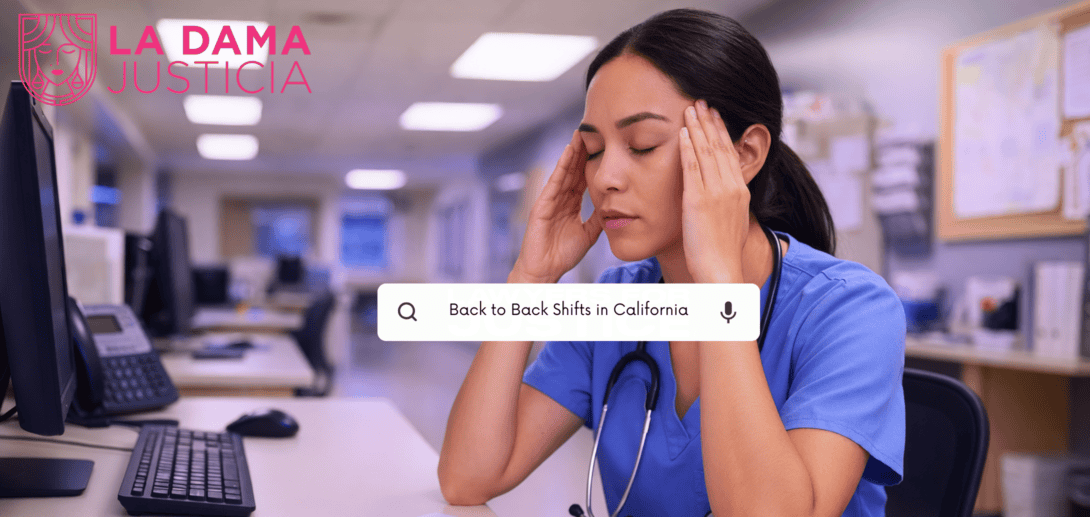
Are Back-to-Back Shifts Lawful in California?
California has no general law that prohibits employers from scheduling employees with minimal time between shifts. This means that an employer can schedule you to work a closing shift until 11:00 p.m and require you to return for an opening shift at 7:00 a.m.
This type of scheduling, commonly known as “clopening,” is lawful unless it violates California meal or break laws, or weekly overtime and double-time laws. Due to the nature of back-to-back shifts, employers may violate these laws unintentionally, but intent does not matter, and you may still be owed compensation.
Industries Most Affected by Back-to-Back Shifts
Retail and restaurant employees may routinely face clopening shifts, extended double shifts, and even meal break interruptions.
Industries such as healthcare, transportation, and private security are notorious for long shifts and are often subjected to high rates of overtime.
Overtime & Double-Time During Back-to-Back Shifts
According to California Labor Code 510, employers are required to pay 1.5x the employee’s rate for hours worked over 8 hours or the first 8 hours on 7 consecutive days of work. Additionally, employers must pay double the employee’s rate for any hours worked over 12 hours in a single day, or over 8 hours on the 7th consecutive day of work.
This rule also applies to weekly overtime. If an employee has worked more than 40 hours in a week, then employers must pay overtime for any extra hours. If the employer pays only the employee’s regular hourly rate and fails to properly calculate and include overtime premiums, the employer is violating California law.
Example of an Unlawful Scheduling Practice
An employer might schedule an 8-hour evening shift then schedule a 10-hour morning shift which totals 18 hours in a 24-hour period. Under these circumstances, you would be entitled to daily overtime pay, double-time pay, and possibly split-shift premiums.
When Do Back-to-Back Shifts Become Unlawful?
Back-to-back shifts become unlawful when employers violate meal break laws (CA Labor Code 512), rest break rules (CA Labor Code 226), and overtime laws (CA Labor Code § 510). Employers are also held accountable for retaliating against employees who speak out against unlawful business practices — pursuant to California Labor Code 98.6.
What To Do If You Are Being Forced Into Back-to-Back Shifts
You should:
- Save copies of schedules (photos, screenshots, apps, etc.)
- Record meal and rest break violations
- Keep pay stubs to verify overtime
- Note any retaliation, threats, or schedule manipulation
Once you’ve compiled the necessary documentation, speak with an employment attorney to better understand what legal options are available.
California law protects employees from unfair scheduling practices and employees may be owed compensation . Lawyers for Justice, P.C., is an award-winning employment law firm with over a decade of experience fighting for California employees.
Contact the firm’s legal team at 818-JUSTICE or fill out the online contact form today for a free consultation.
Frequently Asked Questions About Required Back-to-Back Shifts in California
Are back-to-back shifts legal in California?
In most cases, yes. California does not have a general law that prohibits employers from scheduling back-to-back or “clopening” shifts. However, these schedules become unlawful if they result in meal and rest breaks, overtime, double-time, or other wage and hour violations.
Can my employer schedule me to close one night and open the next morning?
Yes, employers may schedule a closing shift followed by an opening shift. However, , employers must still comply with California labor laws, including providing legally required meal and rest breaks and properly paying overtime or double-time when applicable.
Do back-to-back shifts trigger overtime or double-time pay?
Often, yes. Back-to-back shifts frequently push employees over daily or weekly hour limits. Employees must be paid overtime for hours that exceed an 8-hour shift or 40+ hours in a workweek. Double-time pay is required for shifts that exceed 12 hours in a single day or over 8 hours on the 7th consecutive day of work. Failure to pay these premiums may violate California Labor Code § 510.
When do back-to-back shifts become illegal?
Back-to-back shifts become unlawful when employers fail to provide compliant meal or rest breaks, mis-calculate overtime or double-time pay, deny split-shift premiums when required, or retaliate against employees who raise concerns. Retaliation for complaining about scheduling or wage violations may violate California Labor Code § 98.6.
What should employees do if they are forced to work unlawful back-to-back shifts?
Employees should document schedules, track hours worked, record missed meal or rest breaks, save pay stubs, and note any threats or retaliation. Consulting with a California employment attorney can help determine whether you’re owed unpaid wages or penalties.